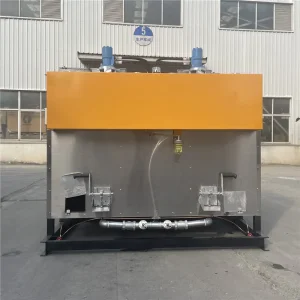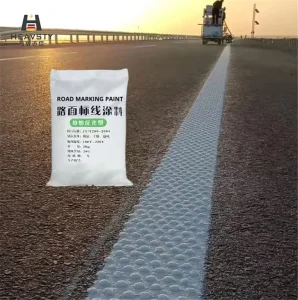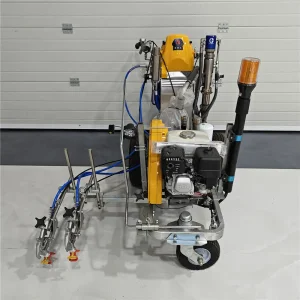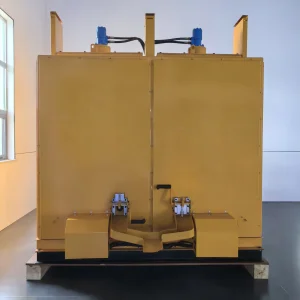
High-performance surface preparation equipment optimized for tropical moisture, high humidity, and volcanic basalt aggregate road surfaces.
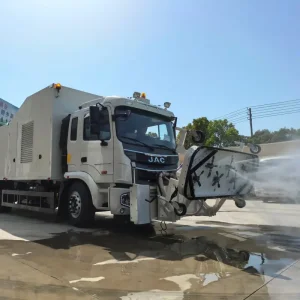
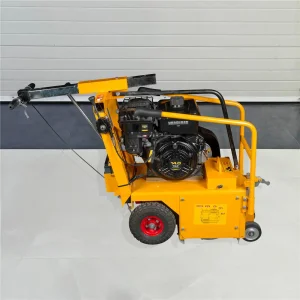
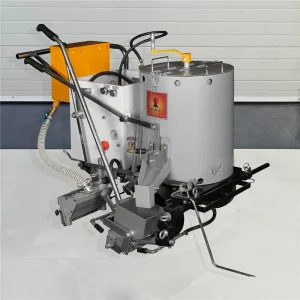
Located in the pristine southern reach of Mahé Island, the Takamaka district features a challenging environment for traffic safety and road maintenance engineering. Flanked by high-end tourism resorts, dense tropical flora, and vulnerable marine ecosystems, local infrastructure demands advanced maintenance. Road marking removal in coastal regions requires high precision to prevent structural degradation to asphalt surfaces constantly exposed to high UV rays, saline humidity, and tropical downpours.
Traditional thermal blasting or invasive chemical stripping are no longer viable in the Seychelles. Chemical runoff poses severe hazards to coastal lagoons, while dry grinding releases microplastics and particulate dust into the air and municipal waterways. Progressive contractors and municipal works departments servicing the Takamaka region now rely on ultra-high-pressure (UHP) hydro-demolition and dust-recycling mechanical scarifying machinery. These advanced systems restore aggregate micro-texture and prepare surfaces without damaging the underlying bitumen matrix.
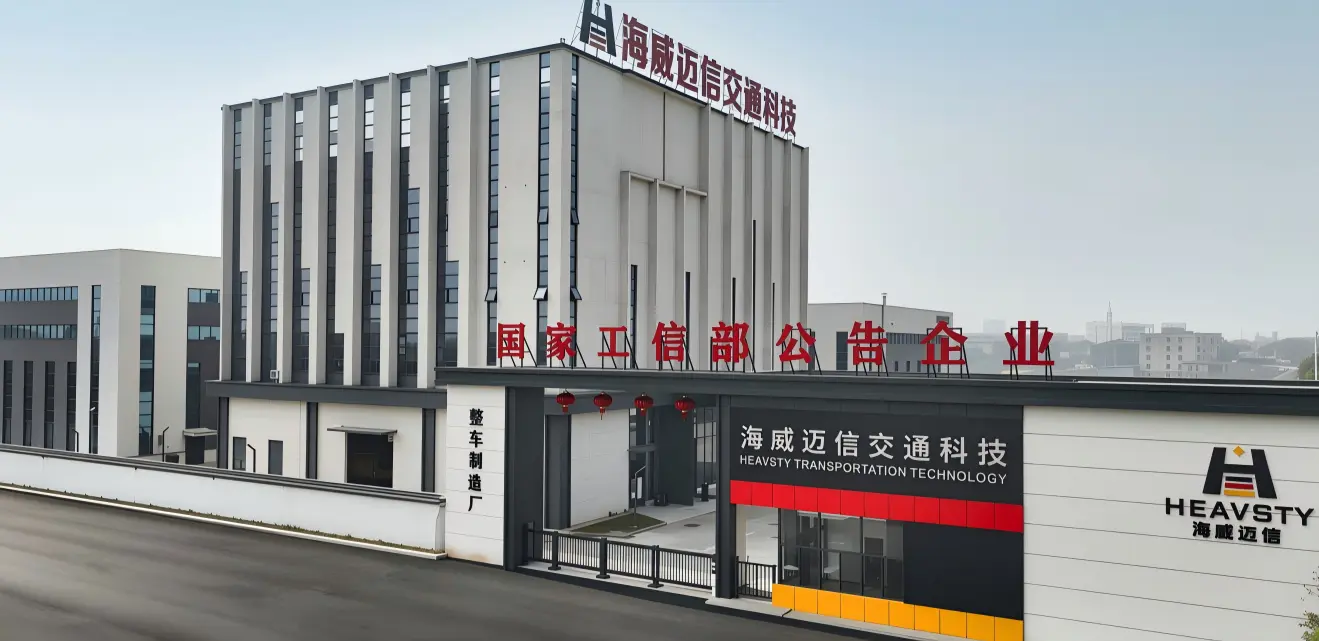
Heavsty stands as a leading global manufacturer of road marking and removal machinery. Operating from a modern 20,000-square-meter facility with over 200 dedicated employees, our specialized R&D team works to resolve regional environmental challenges.
For roads in Takamaka and the wider Seychelles market, we supply modular configurations designed to combat the intense effects of equatorial UV degradation. Our machinery utilizes high-chrome steel alloys and marine-grade protective coatings, preventing galvanic corrosion caused by high salinity. Heavsty machinery ensures consistent road profiling, restoring retroreflective performance for subsequent marking applications.
Request Technical Spec SheetsSelecting the appropriate road line removal methodology requires evaluating pavement integrity, environmental risk, and cost. Below is an engineering overview comparing the most widely used methods on coastal asphalt:
| Removal Method | Substrate Damage Risk | Dust & Airborne Particulates | Environmental Safety (Seychelles Act) | Best Application Scenario |
|---|---|---|---|---|
| Ultra-High-Pressure Water Jetting | Negligible (Self-regulating) | None (Liquid suspension) | Excellent (Closed-loop optional) | High-speed main highways, airports, critical tourist routes |
| Mechanical Planing & Scarification | Moderate (Depends on operator skill) | High (Requires vacuum systems) | Good (With integrated baghouse) | Thermoplastic stripping, urban parking areas |
| Thermal Burning / Gas Blasting | High (Bitumen oxidation risk) | Toxic fume emission | Poor (Releases VOCs) | Rare spot-treatments, low-density rural zones |
| Chemical Ablation | Low | None | Unacceptable for coastal runoff | Indoor industrial warehouses, decorative flooring |
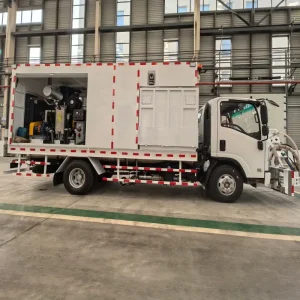
Our dust-recycling mechanical scarifiers and high-pressure water vehicles are engineered to comply with strict environmental regulations. The integration of high-suction vacuum shrouds ensures that all removed binder materials, glass micro-beads, and paint fragments are immediately recovered into storage tanks for safe disposal. This technology prevents toxic heavy metals from contaminating local soils or flowing into pristine coastal waters.
Takamaka's steep gradients and winding passes require robust, compact machinery. Portable erasers like the HW-D390 easily maneuver narrow lanes, eliminating old, slick markings to optimize traction on wet mountain roads.
Machinery operating in the Seychelles must withstand coastal air. Our products feature specialized marine coatings, stainless steel piping, and IP67 electronics to resist salt air and tropical moisture.
With eco-resorts lining the coast, road maintenance must minimize noise and air pollution. Our modern diesel-hydraulic powerpacks operate within low decibel ranges, preserving the tranquility of southern Mahé.
Proving reliability under harsh operational environments and diverse geographical conditions.
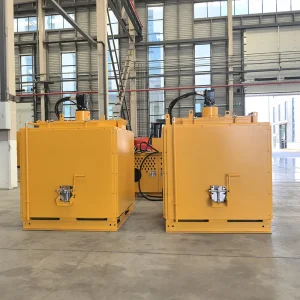
Explore our full line of highway-grade marking prep units, mechanical kettles, and high-adhesion materials engineered for heavy duty tasks.
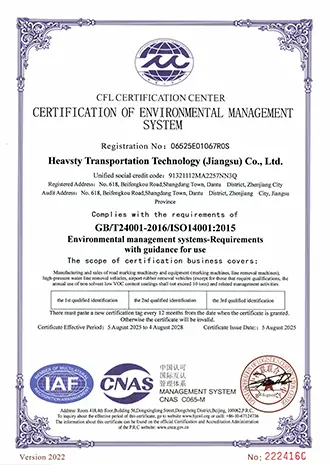
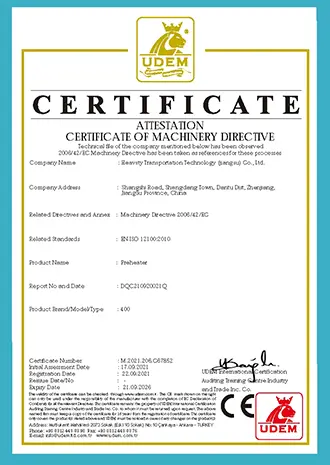
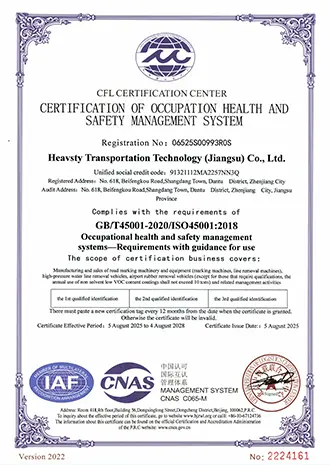
Our equipment undergoes rigorous testing to comply with international road maintenance regulations. Certified under ISO 9001:2015 (Quality Management), ISO 14001:2015 (Environmental Management), and ISO 45001:2018 (Occupational Health & Safety), Heavsty products provide consistent performance under extreme field conditions. We are TÜV Rheinland and SGS approved, and our high-pressure systems meet CE safety standards.
To support global partners, Heavsty showcases its latest technologies at major international exhibitions, including Intertraffic Amsterdam, Paving Expo Brazil, and the Saudi Intermobility Expo. This participation allows us to share research on micro-fracture prevention, substrate profiling, and paint residue capture systems with road engineers worldwide.
Expert engineering answers regarding water-jetting, surface profiling, and regional logistics for the Takamaka market.
Coastal roads are exposed to salt air and high humidity, which accelerates binder oxidation. Mechanical scarification can micro-fracture fragile asphalt aggregates, increasing the risk of water penetration and potholes. Hydro-demolition (using ultra-high-pressure water jetting above 2,500 bar) removes marking paint cleanly from aggregate pores without micro-fracturing the underlying pavement structure.
Our advanced road removal units, such as the HW-23CX, feature integrated dust-recycling and vacuum recovery systems. As the rotary head removes the marking, a high-suction vacuum captures waste paint residue and water slurry, routing it to a containment tank. This closed-loop system prevents chemical runoff from entering local waterways or coastal lagoons, conforming to environmental preservation laws.
Yes, our industrial line of rotary mechanical planers and ultra-high pressure water jetting units are specifically rated to strip thick, heavy thermoplastic coatings. For highly built-up layers of thermoplastic, we recommend a combined approach: initial mechanical planing to remove the bulk profile, followed by water jetting to clear remaining paint from aggregate pores.
We provide comprehensive logistics and support services to the Seychelles, including Mahé, Praslin, and La Digue. Our international cargo channels handle customs clearance, import documentation, and deliver replacement parts, such as high-pressure nozzles, rotary cutters, and seals, directly to local contractors or municipal yards.
Cold-applied paint layers are thinner than thermoplastics. They can be removed effectively at lower pressure thresholds, typically between 1,200 and 1,800 bar (17,400 to 26,100 psi). This lower pressure range minimizes energy consumption, reduces water use, and prevents wear on the asphalt surface.
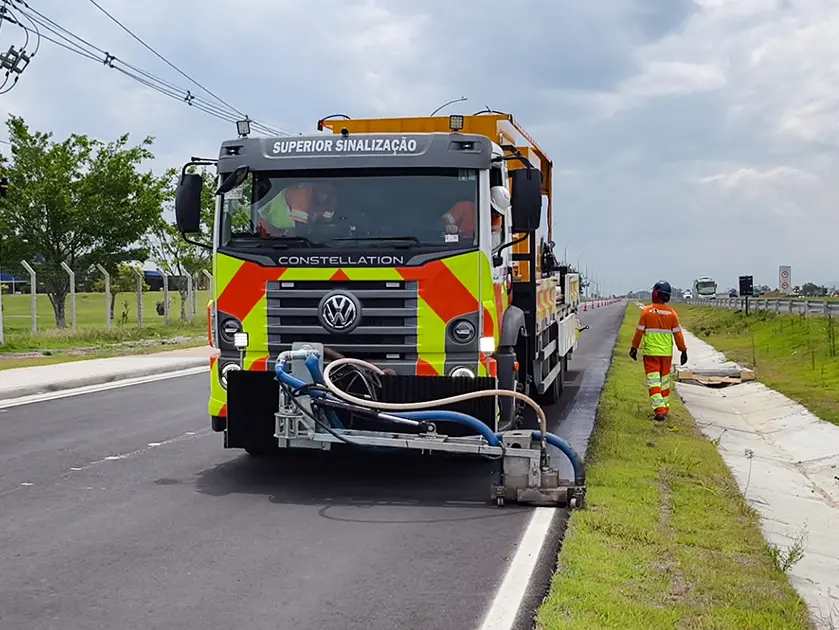
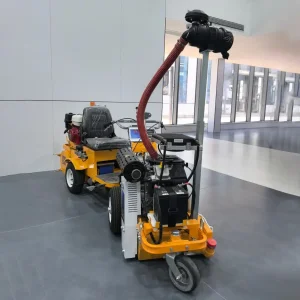
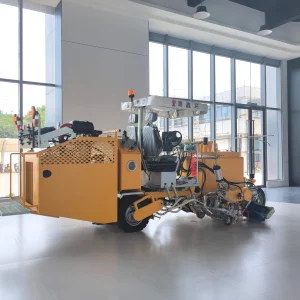
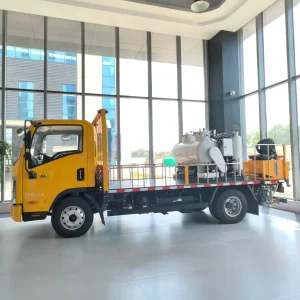
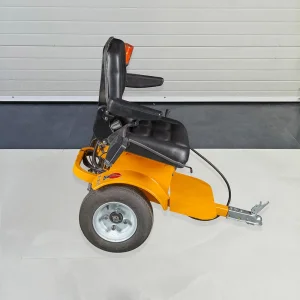
Yes, our larger skid systems can be integrated onto standard flatbeds, utility trucks, or custom industrial chassis. Our product line also includes self-propelled riding vehicles and compact walk-behind units, providing flexible configurations for large highways or narrow municipal streets.
Connect with our engineering team for technical specifications, custom equipment configurations, and delivery quotes tailored for the Takamaka market.
Send Inquiry Now