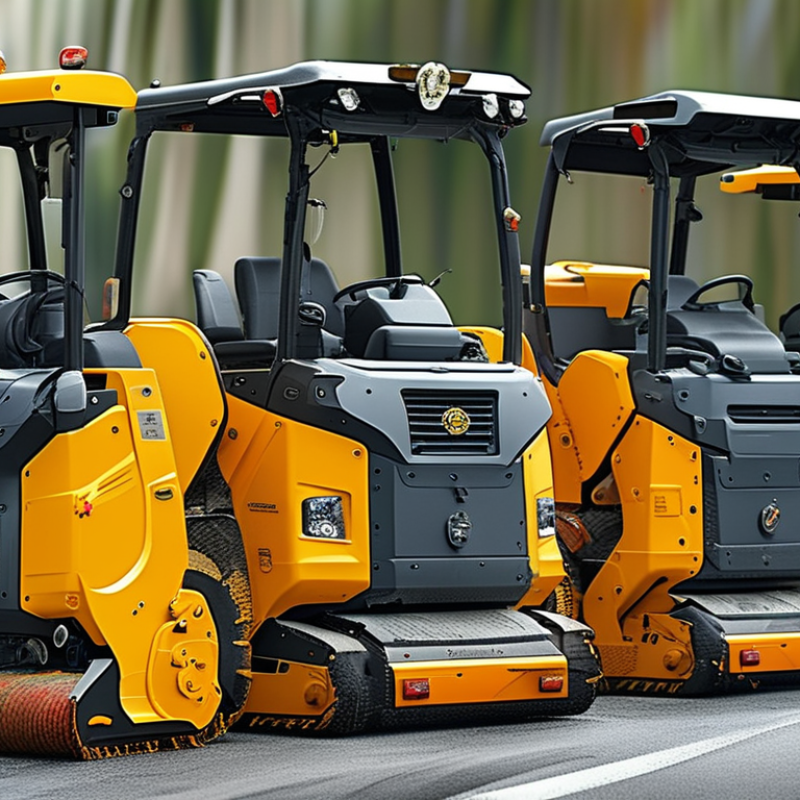
Choosing the right road marking removal machine is crucial for effective pavement maintenance. These machines come in various types, designs, and sizes, each tailored for specific tasks. Selecting the best one can significantly affect project efficiency and outcomes.
When evaluating options, consider factors like machine performance, durability, and operational ease. High-quality machines often offer advanced features for better precision. However, the availability of spare parts and technical support also plays a vital role in your decision. It's important to reflect on your specific needs and job requirements.
While many machines promise efficiency, real-world testing is essential to assess their reliability. User reviews and expert opinions can provide valuable insights. Ultimately, investing time in research will pay off. The right road marking removal machine can lead to successful projects and satisfied clients.
Factors to Consider When Selecting a Road Marking Removal Machine
When selecting a road marking removal machine, several factors can influence your decision. The type of surface plays a critical role. Asphalt and concrete require different approaches. Machines with diverse features can handle various surface types effectively.
Another essential aspect is the power source. Gasoline, electric, and diesel options each have unique benefits. Electric machines are quieter and more environmentally friendly. However, they may lack the power needed for heavy-duty tasks. Gasoline and diesel options typically provide more strength for tougher jobs. What fits best for your needs?
Tips: Consider the machine's weight and portability as well. A lighter unit is easier to transport but may sacrifice performance. Evaluate long-term costs, too. Cheaper machines can lead to higher maintenance costs. Test performance before committing to a purchase. Don't always assume the most expensive option is the best.
Types of Road Marking Removal Methods and Their Efficiency Ratings
When selecting a road marking removal method, efficiency is crucial. Several methods exist, each with varying performance metrics. High-pressure water jetting is one such method. Studies show it can remove markings rapidly, achieving up to 98% efficiency on various surfaces. However, it requires careful handling to avoid damage to the underlying road.
Another common technique is grinding. This method has a lower upfront cost but operates at around 85% efficiency. It may produce debris and noise pollution. A report by the Road Surface Materials Association cites a need for proper dust control measures, highlighting a potential challenge for operators.
Thermal removal is yet another option, boasting efficiency rates above 90%. It requires specialized equipment and training, leading to higher operational complexity. Contractors must weigh these factors based on project requirements. Each method has distinct advantages and drawbacks, emphasizing the need for thorough analysis before deciding.
How to Choose the Best Road Marking Removal Machine? - Types of Road Marking Removal Methods and Their Efficiency Ratings
| Removal Method |
Efficiency Rating (1-5) |
Noise Level (dB) |
Cost Estimation ($) |
Eco-Friendliness (Yes/No) |
| Water Blasting |
4 |
85 |
1500 |
Yes |
| Grinding |
3 |
90 |
2000 |
No |
| Thermal Removal |
5 |
80 |
2500 |
Yes |
| Chemical Removal |
2 |
75 |
1200 |
No |
| Shot Blasting |
4 |
92 |
1800 |
No |
Key Specifications and Features of High-Performance Machines
When selecting a road marking removal machine, key specifications and features are crucial for performance. A high-performance machine typically includes a powerful engine. This ensures efficiency and speed in removing markings. The weight of the machine also matters. Heavier machines often provide better stability during operation.
Another important feature is the type of removal method. Some machines use water blasting, while others rely on mechanical scrapers. Each method has its strengths and weaknesses. For instance, water blasting may cause less surface damage but can be less effective on stubborn markings. Consider the typical materials you encounter. Choose a machine suited to your specific needs, whether it’s paint, thermoplastic, or tape.
Operator comfort cannot be overlooked. Ergonomic designs reduce strain during prolonged use. Look for machines with adjustable handles. Also, check the visibility of the working area. A clear line of sight boosts both safety and precision. Sometimes, simpler machines that are intuitive can outperform complex models. Reflect on your specific use cases. A machine’s features should align with your project's demands for the best results.
Comparison of Cost-Effectiveness Among Different Removal Technologies
When selecting a road marking removal machine, understanding the cost-effectiveness of different technologies is crucial. Various methods, such as grinding, water blasting, and chemical removal, each have unique benefits and drawbacks. For example, grinding typically requires less time for surface preparation but can be more abrasive to the underlying pavement. This abrasiveness can lead to higher repair costs for the surface, affecting overall value.
Water blasting offers a cleaner removal process. It minimizes damage to the asphalt but often comes with higher water usage. This factor can add to operating costs, especially in areas facing water scarcity. Additionally, the efficiency of this method can be compromised in cold temperatures, which might lead you to rethink its efficacy for your climate.
Chemical removal presents an alternative but carries its own challenges. While effective, chemicals can pose environmental risks. This factor necessitates careful handling and disposal, which can also inflate costs. Each method requires careful consideration of specific project needs to ensure the best outcome. Balancing initial investment with long-term maintenance costs is key.
Industry Standards and Compliance for Road Marking Removal Equipment
When selecting road marking removal equipment, industry standards play a crucial role. Compliance with safety regulations ensures the protection of workers. It also safeguards vehicles and pedestrians. Equipment should meet the standards set by authoritative organizations. These guidelines cover design, operation, and performance.
One common area of concern is the efficiency of the removal process. Machines should operate effectively without damaging the underlying road surface. This balance is essential for long-term roadway health. Some machines may not achieve this, leading to increased costs and time.
Proper certification is another factor. Ensure that machines come with valid compliance documents. Lack of documentation can indicate potential issues. Additionally, inquire about the machine's environmental impact. Some equipment may cause undue harm to the surroundings. Understanding these standards can guide you in making an informed choice, contributing to safer, more reliable roadways.
Road Marking Removal Machine Efficiency Comparison
This chart illustrates the efficiency of various road marking removal machines based on their operational speed and effectiveness at compliance with industry standards.
FAQS
: High-pressure water jetting can achieve up to 98% efficiency on various surfaces.
Grinding produces debris and noise pollution, which can be disruptive.
Proper dust control is necessary to address pollution concerns during the removal process.
Thermal removal boasts efficiency rates above 90%, making it a strong option.
Compliance with safety regulations is crucial to protect workers and the public.
Equipment that does not effectively remove markings can lead to increased costs and project delays.
Valid compliance documents ensure machines meet industry standards and performance metrics.
Some equipment may harm the environment, so understanding this aspect is essential.
Specialized equipment, like thermal removal, requires specific training to operate safely.
Damage can lead to increased costs for repairs and affect long-term roadway health.
Conclusion
When choosing the best road marking removal machine, several critical factors must be considered to ensure optimal efficiency and performance. Firstly, it's essential to understand the different types of removal methods available, such as hydroblasting, grinding, and abrasive blasting, each with varying efficiency ratings. Key specifications and features play a significant role in determining the effectiveness of the machine, including its power, mobility, and ease of use.
Moreover, a thorough comparison of the cost-effectiveness among diverse removal technologies can help in making informed decisions that balance budget constraints with performance requirements. Finally, adhering to industry standards and compliance regulations is crucial to ensure the safe and effective operation of the road marking removal machine. By carefully evaluating these aspects, users can select a machine that meets their specific needs while maintaining high-quality road safety measures.